Corporate Event Rentals: Team-Building with Inflatable Obstacle Courses and Games
A good team-building day does two things at once. It gets people talking to colleagues they rarely see, and it creates a shared memory they will still reference at the next all hands. Inflatable obstacle courses, jumbo games, and carnival stations check both boxes. They are approachable, they scale to different fitness levels, and they turn a bland field or parking lot into a playful arena where sales, engineering, and finance can compete without the baggage of job titles.
I have planned and staffed corporate event rentals for groups as small as 40 and as large as 1,500. When an inflatable obstacle course anchors the program, the energy spikes early and stays up. People drift toward the noise, they cheer without being asked, and the photos look like everyone had a day off instead of a forced march through trust falls. That said, it takes real planning to run a safe, efficient, and inclusive event. The details below come from what has worked on the ground, not from a catalog.
Why inflatable games click for companies
Inflatables strip away intimidation. A 60 foot inflatable obstacle course looks big, but the rules are obvious at a glance. Crawl, climb, slide, and laugh if you wipe out on the foam block. Put two lanes side by side and you have instant head to head racing. Rotate teams every 90 seconds and you can move 300 people through an attraction within an hour. That throughput matters when you have a packed agenda.
Physical variety helps too. Pair an obstacle course with a combo bounce house for warmups and a water slide rental for the end of the day, and suddenly you have options for different comfort levels. People who would never sign up for a 5K will run three heats when the course is inflatable, timed, and surrounded by coworkers chanting their name.
For remote or hybrid teams meeting rarely, inflatables provide a neutral, low stakes way to rebuild rapport. No one needs special gear. The cost scales cleanly with group size compared to offsite hiking or a catered banquet alone. And unlike a stage show, participation is active, not passive. Your quieter team members often blossom when the rules are simple and the stakes are friendly.
Choosing the right attractions for your goals
Start by being honest about what you want out of the day. If you need cross team interaction, you want activities that require light collaboration or relay formats. If you want to reward a sales win, you might lean into spectacle and friendly rivalry. The right mix usually includes at least one inflatable obstacle course, but the supporting cast matters.
Obstacle course rentals range from compact 30 foot tracks that fit indoors to sprawling 100 foot plus designs with tunnels, pop ups, and slides. A 60 to 70 foot inflatable obstacle course works for most corporate lawns and can run two lanes at once. Expect one to two 1.5 horsepower blowers drawing 10 to 12 amps each. That means you need dedicated 15 or 20 amp circuits, not a daisy chain of office power strips. If you are on a plaza with no onsite power, ask your vendor to include a quiet inverter generator. Do not assume the building engineer will provide power the morning of.
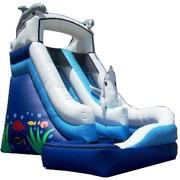
Mix in modular stations for people taking a break from the main course. Carnival game rentals like Giant Jenga, Connect Four, or ring toss keep spectators engaged and support a casual vibe. A handful of party entertainment rentals such as a mechanical axe throw simulator or a soccer dartboard can anchor a secondary zone. If you have space and warm weather, water slide rentals add the “I can’t believe we did that at work” photos. Keep in mind water means towels, changing areas, and more cautious footwear rules.
When the event includes families, a kids party rentals area with a small bounce house, or classic moonwalk rentals, changes the energy instantly. It keeps children busy and parents relaxed. If the brand voice of your company leans playful, a combo bounce house with a small slide attached lets ages 4 to 12 rotate safely. For schools and nonprofits, church event inflatables and school event rentals often offer scaled packages that include volunteers for line control.
If you are hunting for suppliers and not sure who is credible, start your search with “inflatable rentals near me” and then narrow by reviews that mention corporate event rentals specifically. A vendor who knows backyard party rentals may be excellent, but corporate installations demand different logistics, permits, and insurance.
Safety is nonnegotiable
The best events are boring from a safety standpoint. You want zero surprises, which comes from planning and from working with reputable inflatable party rentals providers who follow ASTM standards. A few essentials:
Anchoring and wind. Every inflatable should be anchored by steel stakes driven into grass or by ballast weights, typically 160 to 200 pounds per anchor point, when set on concrete. Wind limits are real. Most inflatables must be taken down at sustained winds of 15 to 20 mph. Have a wind meter on site, not a guess based on tree leaves. A pro crew will deflate proactively when gusts pick up, even if the schedule says otherwise.
Power and circuits. Do not share blowers with catering warmers, DJ rigs, or concession machine rentals. Blowers are continuous duty motors. A single blown breaker can collapse an inflatable in seconds. Use GFCI protection, and if you are running extension cords on footpaths, cover them with cable ramps.
Supervision. You need trained attendants for each active unit. A common ratio is one attendant per inflatable plus one roamer for a cluster. Oversight keeps lines moving and enforces rules that people conveniently forget: no flips, one slider at a time, empty pockets, and no loose jewelry.
Footwear and attire. Closed toe shoes come off for most bounce house rentals and jumper rentals, then go back on for field games. Have inexpensive shoe racks and clear signage. Provide grip socks if your site is dusty or if you are indoors.
Age, size, and health. Adults and kids should not mix on the same bounce surface. If you run a family day, schedule adult heats on the obstacle course and then kid heats. Set and post a max weight per user. Anyone with a recent injury should skip participation. A good emcee will normalize opting out, so no one feels pressured.
First aid and weather calls rarely get much attention in the sales process, but they should. Have a stocked kit, shade or heaters as needed, and a specific person with authority to pause activities. Light rain on vinyl gets slippery fast. Plan for it and call it early if necessary.
A sample flow that keeps energy high
Midday events work best for corporate groups. People are fresher before 3 pm, especially in heat. I like a staggered start that avoids a single massive line at kickoff. Open the carnival game rentals and casual stations 15 minutes before the main event. Then run obstacle course heats in short bursts: four teams of five, bracketed, with loud timekeeping and quick resets. A good 60 to 75 second cap keeps the pace brisk. Rotate departments so that IT is next to Sales, then Finance, then Operations. Mixed groups break cliques.
Add small team challenges between heats. A five person relay using soft batons, a tug of war rope segment on turf, or a puzzle station that buys a 5 second head start for the next run. These micro games reward brains as much as legs and give people who are not fast runners a chance to contribute.
Food and beverage should be close, not across the venue. Hungry people vanish and do not return. Concession machine rentals such as popcorn, cotton candy, or shaved ice work for carnival themes and keep lines fast. If you prefer a cleaner look, a pair of food trucks parked to the side with defined queues will feed 150 to 200 people an hour. Maintain clear aisles for emergency access and event staff.
Provide shade. Pop up tents with table and chair rentals nearby make a difference in July. Use half walls or UV rated canopies, not the flimsy versions that lift in a Party rentals breeze. Place water jugs within 50 feet of any active station and assign someone to refill.
Throughput, staffing, and space math
Numbers dictate flow. A standard two lane inflatable obstacle course with a 60 to 70 foot track moves about 60 to 100 participants per hour if you are timing and hustling. A purely free play model moves fewer because transitions drag. If your headcount is 400 and you want everyone to run once, plan at least four hours of active operation with minimal downtime, or add a second course to cut lines.
Space matters. Each inflatable needs a footprint plus clearance on all sides, typically 3 to 5 feet, and vertical clearance for overhead lines or tree branches. A 70 foot course with side blowers and anchors can easily need a 90 by 20 foot lane. Talk to facilities early. On rooftops and parking decks, ballast and wind restrictions change the game. On grass, mark irrigation lines and sink sleeves for stakes one day before. On turf fields, coordinate with the venue for weight rules.
Plan for setup and teardown times. A professional crew can install a large course in 45 to 90 minutes depending on access and ballast, then strike in 30 to 60. Loading docks, elevators, and the distance from truck to site make or break timelines. If your office park restricts truck access before 8 am, you might need an overnight drop.
Staffing is not just attendants. You want a dedicated emcee, two to four line managers for big crowds, and a roving troubleshooter who handles power, signage, and supplies. For family days, hire a face painter or balloon artist as a gentle alternative to high energy play. That balance keeps everyone smiling.
Budgeting and what drives cost
Prices vary by region, season, and demand spikes around school calendars. As a broad range, a mid sized inflatable obstacle course rental lands between a few hundred and a few thousand dollars for a day, including delivery and setup. Add attendants by the hour, generators if needed, and extra insured certificates if your building requires them. Delivery distance, difficult load ins, and peak Saturday slots add premiums. Weekdays are often easier to book and slightly less expensive, which suits corporate schedules.
Do not forget the rest of the event rentals. Table and chair rentals for 200 guests, plus tents, can match or exceed the inflatables Visit this link budget in hot or rainy seasons. Concession machine rentals are affordable per unit but require consumables and operators. Carnival game rentals are cost effective fillers that punch above their weight, especially if you brand the prizes.
If you report ROI to leadership, track participation counts, photos, and quick survey results. Calculate cost per engaged attendee, not just per headcount. A $12,000 field day that gets 85 percent active participation may deliver more value than a $40,000 offsite dinner that people endure politely.
Pairing inflatables with company culture
Tech startups and manufacturing firms do not always want the same program. A few examples show how to adapt while keeping safety and throughput intact.
For a product launch, theme the course. Wrap sponsor flags at the start, add branded check in bibs, and award time bonuses at trivia checkpoints about the new feature. Keep questions short, five seconds max. Sales will try to game the system. That is fine. It makes better photos.
For a charity tie in, turn heats into donation triggers. Each team run unlocks a set amount to a local school or food bank. Engagement jumps when every laugh supports a cause. School event rentals vendors often already have relationships with PTOs and can help invite volunteers who cheer and manage scoreboards.
For an all ages summer picnic, isolate water slide rentals to one zone with slip resistant matting and towels. Station an attendant who acts like a gentle lifeguard. Put moonwalk rentals and a small combo bounce house in a fenced kids area staffed by patient attendants. Adults cycle through the main course, then rejoin family for food and music.
For faith based clients, church event inflatables are often scheduled around services and include modesty and footwear considerations. Communicate those expectations clearly to staff and emcees. A low volume soundtrack and an announcer who avoids edgy humor can make all the difference.
Vendor selection that saves headaches
The phrase party equipment rentals covers everything from a friend with a van to a company with warehouse logistics and trained crews. You want the latter for corporate event rentals. Look for vendors who:
- Carry commercial grade units with visible inspection tags, can provide proof of insurance naming your company and venue, and offer site specific risk assessments.
- Provide clear power specs, include generators when needed, and refuse unsafe setups even if it costs them a sale.
- Staff events with trained attendants who manage lines, enforce rules, and help people enjoy the experience without bottlenecks.
- Offer backup units or contingency plans if a blower fails, the wind rises, or the schedule shifts.
- Understand permitting for public spaces, can coordinate with building management, and will load in quietly if your office is live during setup.
When you interview providers, ask how they decide to shut down for wind, and who on their team holds that authority. Good answers reference measured speeds, gust factors, and a written protocol. Also ask about cleaning routines. The best operators sanitize between rentals and again on site. In allergy season, a quick wipe down of high touch surfaces keeps sneezes at bay.
A pre event checklist that avoids surprises
- Walk the site with facilities and the vendor to mark power, anchors, and clear paths from truck to setup area.
- Confirm rain and wind thresholds, communication channels, and who can call a pause during the event.
- Lock in staffing counts, shift times, and roles, including emcee, line control, attendants, and a runner for supplies.
- Set heat management: shade tents, water stations, sunscreen, and a cooling zone if heat index will exceed safe thresholds.
- Plan signage and flow: check in, waivers if required, footwear rules, age and size limits, and clear directional arrows.
This list looks simple, but every bullet saves 10 minutes or a headache on event day. A quick example from a downtown plaza event: we walked the site and discovered the only available power was 200 feet away, across a pedestrian artery. That turned into a generator plan with cable ramps and a revised layout that kept cables off guest paths. Without that site walk, we would have been improvising at 10 am with a crowd arriving.
Communication makes or breaks participation
People join what they understand. Send a short note one week out that explains the vibe, attire, and optional nature of participation. Include that closed toe shoes are required for the course, that socks are provided for bounce areas, and that there will be shaded seating for those who prefer to cheer. If you allow families, state any age limits clearly and whether strollers are welcome. If you offer alcohol, set it for after active segments, not before. Position HR and leadership as cheerleaders. The tone should be inviting, not compulsory.
On the day, a charismatic emcee keeps lines moving and spirits high. A 20 second rules briefing repeated every third heat does more than a posted sign. Praise effort, not just speed. Neck and neck finishes are gold, but the biggest laughs often come from a slow crawl followed by a triumphant slide.
Measuring success beyond smiles
Photos and videos are obvious deliverables. Make them easy to share on internal channels the next day, with albums labeled by department or heat. Also track simple metrics: number of participants per attraction, peak queue times, and average run length. A roaming staffer with a clicker can gather that data with little effort. Short pulse surveys, three questions max, capture what to adjust next time. Ask whether people felt safe, included, and energized. If safety scores dip, revisit staffing or rules communication. If inclusion scores lag, add more low impact options like seated carnival game rentals or creative stations.
If your leadership asks whether these events affect retention or engagement, be honest. One field day will not fix a broken culture. What it does do is create a pattern of shared positive experiences that make the next hard sprint easier. People who laugh together on a Friday tend to give each other more grace on a Monday.
When to add, and when to say no
Not every idea belongs in one afternoon. A mechanical bull draws a crowd but slows throughput and raises risk. Foam parties look fun in promos and create slippery surfaces that fight with obstacle course safety. Axe throwing can be great in a controlled trailer with strong attendants, but a single staffer trying to manage multiple high risk stations is a red flag. Choose a few strong attractions and run them well. Depth beats breadth for corporate groups.
Also know when to postpone. If a front brings sustained winds near 20 mph, a responsible operator will decline to install tall units. Reschedule and protect your people. You can still run ground level carnival games and a picnic under tents. Vendors who offer alternatives, like lower profile interactives, are worth keeping on speed dial.
Wrapping inflatables into the broader event plan
Inflatables do not have to carry the whole day. Pair them with a brief all hands, a company award moment, or a charity presentation to give the event narrative shape. Use a short, clear run of show that alternates high and low intensity segments. Open with coffee and mingling under tents, run obstacle heats, break for lunch, add a final championship, then close with dessert and free play. A two to four hour window is plenty for most teams.
Back of house needs thought too. Staging for vendors, waste stations, a green room or rest tent for staff on break, and clear radio channels seem minor until they are missing. If you do multiple events a year, build a simple kit that travels from site to site: gaff tape, zip ties, sunscreen, ponchos, clipboards, spare signage, duct covers, first aid, and a handheld wind meter.
Finally, remember the tone you set on the mic carries further than any decoration. If you celebrate effort, make opt outs welcome, and run a tight ship on safety, people will leave proud of their team. The photos will back it up, and your inbox will fill with a different kind of Monday message: When are we doing that again?
Where the pieces come together
The strongest corporate event rentals weave together the right inflatables, good site planning, and human touches. Bounce house rentals and jumper rentals keep a family zone lively while the main course channels workplace rivalry into laughter. Party equipment rentals like table and chair rentals and tents make the site comfortable. Carnival game rentals and concession machine rentals build the carnival atmosphere without slowing the schedule. Whether your event feels like a school fair, a church picnic, or a startup jamboree depends on your choices, all of which can be tailored without breaking the bank.
If you are starting from scratch, talk to two or three reputable providers, share your headcount, space constraints, and goals, and then listen. The best vendors will steer you away from the shiny but impractical and toward a layout that moves people safely. They will ask about circuits, wind, and access before they try to upsell a water slide. They will suggest a combo bounce house instead of two separate units if your space and budget are tight. And they will arrive with enough ballast, staff, and patience to handle the curveballs every live event throws.
A final tip from the field: assign one executive to run the course in the first heat. It sets the tone. When the CFO belly laughs on the slide, the rest of the company follows. That moment is why inflatables work so well for team building. They remind everybody, for a few hours, that they are on the same side.